
Educational content, reviewed for accuracy against published clinical literature. Not medical advice.
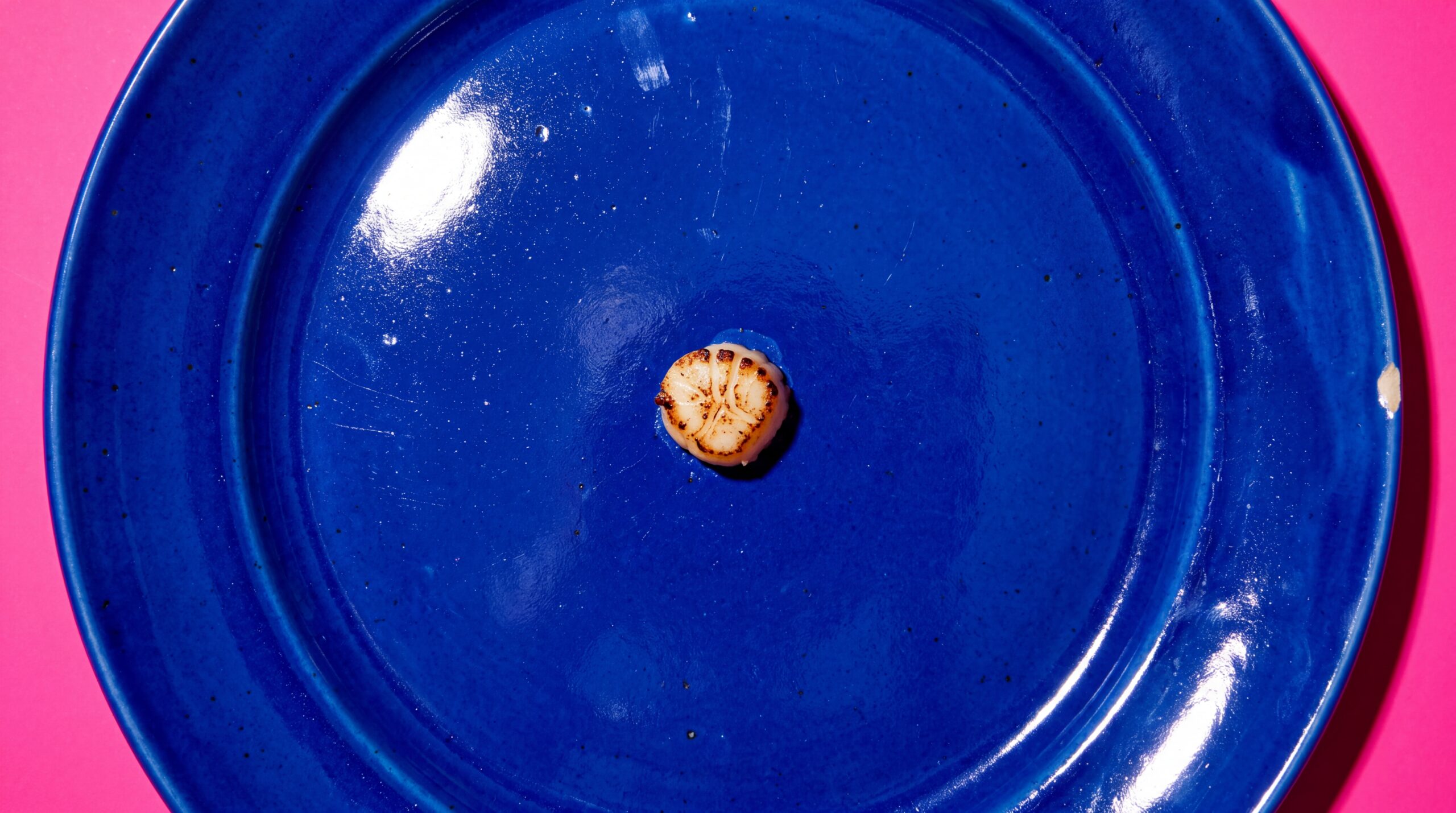
GLP-1 medications are remarkably effective at suppressing appetite, so effective that many people unintentionally eat far too little. This is the most counterintuitive challenge of treatment: the medication works so well that it can undermine your health if you don’t eat intentionally. Registered dietitians describe the first two months as the most difficult because “appetite is just gone.”
Why This Can Happen
GLP-1 medications act directly on hunger signals in the brain while also slowing stomach emptying, creating a powerful double effect on appetite. Many people simply forget to eat or find that food doesn’t sound appealing. Without normal hunger cues prompting meals, it’s easy to go 8+ hours without eating and consume far less than your body needs.
How It Commonly Shows Up
You might go long stretches without feeling hungry, find meals feel like a chore, or feel satisfied after just a few bites. Some people realize at the end of the day they’ve barely eaten 500-800 calories. Signs of under-eating include:
- Fatigue and low energy
- Hair shedding (typically starting 2-4 months into treatment)
- Feeling cold
- Irritability and difficulty concentrating
- Muscle weakness
- Dizziness or lightheadedness
- Slow wound healing
Lifestyle Ways to Manage It
Shift from intuitive to scheduled eating:
- Set alarms to eat every 3-4 hours regardless of hunger
- Minimum structure: 3 meals + 1-2 protein snacks daily
- Front-load calories to morning and midday when tolerance is typically better
- Treat eating as a non-negotiable health behavior, like taking medication
Calorie and protein minimums:
- Women: minimum 1,200 calories daily
- Men: minimum 1,500-1,800 calories daily
- Protein: 60-100g minimum (optimal: 1.2-1.6 g/kg body weight)
Calorie-efficient, nutrient-dense foods:
When eating small amounts, every bite must count:
- Greek yogurt with berries: 15-20g protein per cup
- Eggs with cottage cheese: 20+ g protein per serving
- Protein shakes: 20-30g protein in ~200 calories
- Rotisserie chicken (pre-prepared, zero effort)
- Tuna or salmon pouches
- Cheese and nut combinations
- Avocado (healthy fats + nutrients in small volume)
When solid food doesn’t appeal:
- Protein smoothies with Greek yogurt, protein powder, fruit, nut butter
- Bone broth (provides protein and is easy to sip)
- Drinkable yogurts
- Soup with added protein
Reduce friction:
- Meal prep on weekends
- Keep ready-to-eat options always available
- Accept that “good enough” nutrition is better than skipped meals

Prevention-Focused Habits
Build structure around eating from day one, don’t wait until you realize you’ve been undereating for weeks. Set up recurring meal reminders. Stock your kitchen with easy protein options before starting treatment. Track intake for the first month to establish awareness of what adequate nutrition actually looks like.
Special Considerations
Rapid weight loss concerns: Losing weight too quickly (more than 2 lbs/week consistently) usually means losing muscle along with fat. This slows metabolism, causes fatigue, and worsens long-term outcomes. Eating enough to lose 1-2 lbs/week preserves muscle.
“I feel fine” trap: Some people feel fine while undereating, until symptoms like hair loss or fatigue appear weeks or months later. Under-eating damage is cumulative. Don’t wait for symptoms to eat adequately.
Social meals: Use meals with others as anchors. Social context often makes eating easier when solo eating feels like a chore.
Reassurance & Support
It may feel counterintuitive to focus on eating enough while taking a medication for weight management. But nourishing your body adequately is essential for sustainable results. Under-eating leads to muscle loss, metabolic slowdown, fatigue, and nutritional deficiencies, none of which support your long-term goals. If you’re consistently struggling to eat enough, your healthcare provider or a registered dietitian can help you develop strategies.
How Blum Helps
- Daily protein target flags when you’re falling short, even on low-appetite days
- Calorie planner budgets your week so low-appetite days don’t accidentally turn into severe restriction
- Chef bot generates high-protein, GLP-1 friendly recipes and sends ingredients to Instacart when cooking feels like too much
- Food logging via AI photo or voice makes tracking realistic even when you barely want to eat
- Nora AI is there to talk through what’s working and what isn’t
Blum · GLP-1 companion
Make sure you are eating enough
A daily protein target and weekly calorie planner that catch under-eating before it catches you.

Sources
- Blundell J et al. Semaglutide effects on energy intake. Diabetes Obes Metab 2017. https://pmc.ncbi.nlm.nih.gov/articles/PMC5573908/
- Wilding JPH et al. STEP 1. NEJM 2021. https://www.nejm.org/doi/full/10.1056/NEJMoa2032183
Related articles
This article is general educational information about GLP-1 medications and is not medical advice. It does not replace guidance from your prescriber or pharmacist. Always follow your healthcare provider’s instructions, and contact them about any symptom that is severe, persistent, or concerning.
Struggling to eat enough on your GLP-1?
Join the conversation in the Blūm Community to see what other GLP-1 users are experiencing, share what is working for you and connect with people on a similar journey.
