
Educational content, reviewed for accuracy against published clinical literature. Not medical advice.
Diarrhea affects 10-36% of GLP-1 users, typically resolving faster than other GI symptoms, median duration is approximately 3 days. It can alternate with constipation in some people, which is confusing but normal as your gut adjusts.
Why This Can Happen
While GLP-1 medications generally slow digestion, the gut-brain signaling changes can occasionally speed transit for some people, especially early in treatment. Dietary changes, like suddenly eating more vegetables or different foods, can also trigger diarrhea as your gut bacteria adjust. Certain foods (fatty foods, dairy, sugar alcohols) commonly trigger loose stools when digestion is already disrupted.
How It Commonly Shows Up
Loose stools, increased bathroom frequency, or urgency typically appear in the early weeks or after dose changes. It’s often connected to specific trigger foods rather than occurring randomly. Episodes are usually self-limiting and resolve within days.
Lifestyle Ways to Manage It
During active episodes (temporary approach):
- Reduce fiber temporarily to about 10g daily
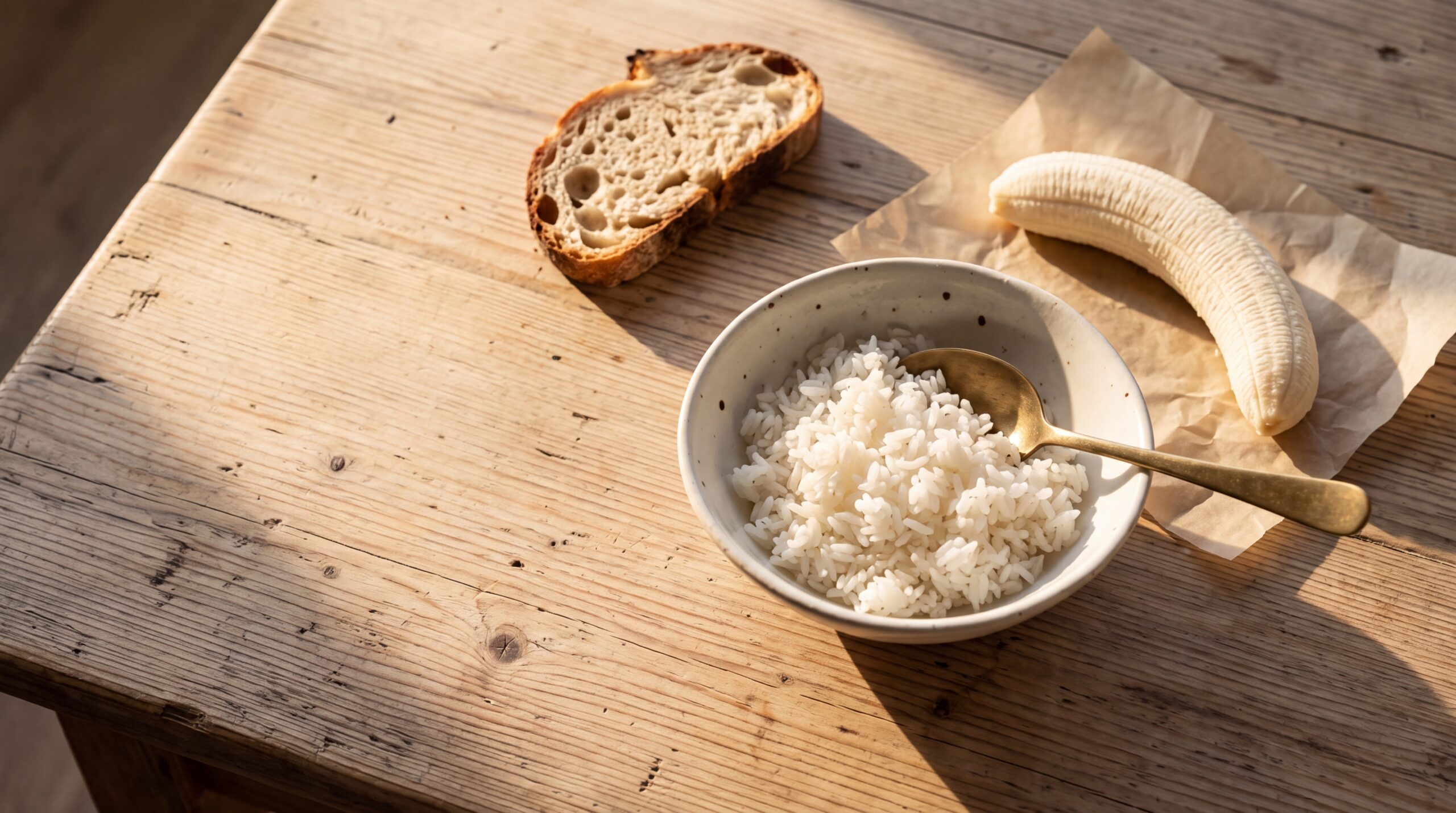
- Follow the BRAT framework: bananas, rice, applesauce, toast
- Add lean proteins: skinless chicken, well-cooked vegetables without skins or seeds
Avoid:
- Dairy products
- Caffeine and alcohol
- Sugar alcohols (sorbitol, mannitol, xylitol, found in sugar-free products)
- Fatty and fried foods
- Very hot or cold foods
Hydration (critical):
- Replace lost fluids with water, broth, and diluted electrolyte solutions
- Dehydration from diarrhea can cause dizziness, fatigue, and worsen other symptoms
- Target 80-100 oz fluid daily, more if diarrhea is significant
Identify triggers:
- Keep a food log during episodes to spot patterns
- Common culprits: greasy foods, dairy, caffeine, artificial sweeteners, high-fiber foods eaten in large amounts
Prevention-Focused Habits
Introduce dietary changes gradually rather than overhauling your diet all at once. If you’re adding more vegetables, fiber, or new protein sources, do so over 1-2 weeks. This gives your gut bacteria time to adapt. Avoid large amounts of sugar-free products, which commonly contain sugar alcohols that cause GI distress.
Special Considerations
Alternating symptoms: Some people experience constipation and diarrhea in alternating patterns. This reflects your gut trying to find its new equilibrium. Continue with moderate fiber (20-25g) and consistent hydration rather than swinging between high-fiber and low-fiber approaches.
Metformin interaction: If you take metformin alongside a GLP-1, diarrhea may be more pronounced. This combination is common in diabetes management but may warrant discussion with your provider if GI symptoms are persistent.
Social situations: Know your trigger foods before events where bathroom access may be limited. Avoid known triggers at these times.
Reassurance & Support
Diarrhea episodes are typically short-lived and manageable with dietary adjustments. If diarrhea is severe, persistent beyond a week, contains blood, or you’re having trouble staying hydrated, reach out to your healthcare provider.
How Blum Helps
- Side effect log tracks episode frequency and duration; Nora AI spots patterns and generates a shareable report for your provider
- Food logging via AI photo or voice helps identify trigger foods
- Water tracking helps you replace what you’re losing
- Chef bot suggests gentle, GLP-1 friendly recipes for flare-ups, with ingredients ready to send to Instacart
Blum · GLP-1 companion
Find your trigger foods
Log meals by photo or voice and track episodes so patterns become obvious.

Sources
- Frias JP et al. Tirzepatide versus Semaglutide Once Weekly (SURPASS-2). NEJM 2021. https://www.nejm.org/doi/full/10.1056/NEJMoa2107519
- Bonora E et al. Metformin gastrointestinal effects. review. https://pmc.ncbi.nlm.nih.gov/articles/PMC7издna [VERIFY]
Related articles
This article is general educational information about GLP-1 medications and is not medical advice. It does not replace guidance from your prescriber or pharmacist. Always follow your healthcare provider’s instructions, and contact them about any symptom that is severe, persistent, or concerning.
Dealing with diarrhea on GLP-1s?
Join the conversation in the Blūm Community to see what other GLP-1 users are experiencing, share what is working for you and connect with people on a similar journey.
